Modern Wedding Reception Ideas That Break Tradition

Recent Trends
Couples planning weddings in 2024–2025 are increasingly opting for reception formats that diverge from sit-down dinners, formal dances, and tiered cakes. Observers note a rise in experimental seating arrangements, such as lounge-style clusters or communal tables instead of assigned round tables. Many now choose interactive food stations over plated meals, and some replace the traditional cake-cutting moment with dessert bars or late-night food carts.
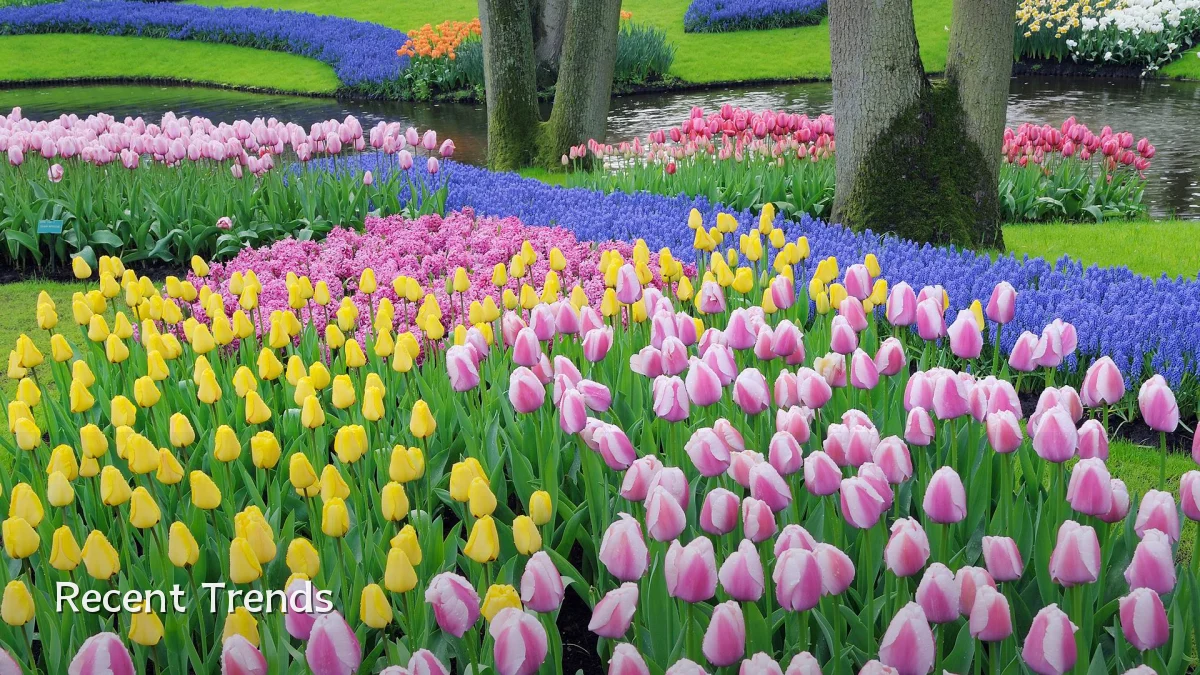
- Nontraditional venues: warehouses, museums, botanical gardens, and private homes appear more frequently on planning lists.
- Shortened ceremony-to-reception transitions: many couples skip the full cocktail hour in favor of a brief welcome toast before dinner.
- Alternative entertainment: live painters, caricature artists, and silent disco headphone parties are replacing the DJ-led dance floor for some celebrations.
Background
The shift away from classic reception norms has been building over the past decade. Cultural expectations around weddings have loosened as couples seek to reflect their own personalities rather than follow a script. Economic factors also play a role: rising costs for full-service catering and traditional venues push many to improvise. Social media platforms amplify nonstandard ideas, making unusual reception choices more visible and acceptable.

Key historical milestones include the growing popularity of afternoon brunch weddings in the 2010s, the rise of weekday or off-peak dates to reduce expenses, and the post-pandemic desire for more intimate or outdoor gatherings. These trends laid the groundwork for the current wave of bolder departures from convention.
User Concerns
Prospective couples often worry about how much tradition they can abandon without disappointing family or guests. Common questions include:
- Guest comfort: Will a nontraditional menu or seating arrangement leave older relatives confused or unhappy?
- Budget vs. impact: Does skipping the formal sit-down dinner truly save money, or do alternative setups incur hidden costs (e.g., higher staffing for food stations)?
- Photo-worthy moments: If there is no cake cutting or first dance, what focal points do photographers capture for the couple’s album?
- Logistics: How do you schedule speeches, toasts, or activities when the reception lacks a traditional timeline?
Many planners recommend testing alternative formats with a small circle first—for instance, a rehearsal dinner or a cocktail-only party—before committing to a full nontraditional reception.
Likely Impact
The continued adoption of nonstandard reception ideas is expected to reshape industry norm. Vendors now offer modular packages that accommodate shorter events, plated-as-optional dinners, and customizable entertainment. Established etiquette guidelines—such as the necessity of a seating chart—may become less rigid as couples prioritize fluid, interactive settings.
For traditional venues, pressure will increase to offer flexible spaces that can host both a seated dinner and a more casual lounge. Catering companies are expanding their rosters to include ethnic cuisine or global street food options. Photographers and videographers now routinely prepare for nontraditional timelines and less predictable highlight moments.
However, some conventions remain resilient. First dances, for example, are still reported in a majority of receptions even when other elements are broken; they often serve as a sentimental anchor rather than a mandatory ritual.
What to Watch Next
Industry watchers expect two areas to evolve further: the role of digital tools and the influence of sustainability. Couples may use event apps for real-time updates on food stations or activity schedules, replacing paper programs. Sustainable practices—such as reusable decor, locally sourced ingredients, or gift registries that emphasize experiences over items—are likely to become standard offerings rather than niche options.
Another emerging factor is the redefinition of “reception length.” Multi-day weekend events, or reception-only celebrations held months after a private ceremony, may continue gaining traction. The line between wedding reception and non-wedding party could blur further, especially among younger demographics who value flexibility over formality.
Planners advise staying open to hybrid models: a couple could keep a traditional cake-cutting but replace the seated dinner with a roaming feast, or preserve the first dance while swapping the DJ for a live band. The key trend is not a full rejection of tradition, but rather a careful selection of which traditions to keep and which to replace with personal meaning.